
Busy every weekend, but still not sure what you made? Saturday’s takings are split across the till, the card machine and two delivery apps. Tips have to reach your staff by the end of next month, and the VAT return is due before anyone has matched a Z-report to the bank.
Cain & Co takes the bookkeeping for hospitality off your desk, from daily sales to payroll, handled by UK bookkeepers you can call. ISO 9001 certified, with a three month risk-free trial.





The hospitality industry runs on hundreds of small transactions a day. Food and beverage sales come in through the EPOS, card terminals, booking deposits and delivery platforms, each settling on a different day with its own fees taken off. Supplier invoices arrive by email, on paper and with the delivery. By the time the books are opened, the figures are weeks behind the service, and decisions on staffing and stock get made from the bank balance.
Hand the bookkeeping for hospitality businesses to Cain & Co and the records keep pace with trading. Multiple revenue streams are tracked separately, VAT is coded correctly on every sale, and you can see what wages and stock are costing against takings each month. Hotels, pubs, restaurants, cafés and caterers across the UK get the same result: accurate accounting records and financial clarity on where the cash is going.
Card settlements land two days late, delivery apps pay out net of commission, and cash goes in when someone has time to bank it. Add VAT rules that change between eat-in, takeaway and delivery, and one miscoded till button can understate VAT for a whole quarter. Every day’s Z-report is matched to payments from multiple sources, food and beverage sales are tracked separately, and VAT is checked before the return is filed, keeping your business compliant.
From 1 April 2026, the National Living Wage rose to £12.71 an hour, and employer National Insurance is charged at 15% on pay above £5,000 a year. Where payroll is often the largest cost in the business, a few extra shifts in a quiet week can wipe out the margin. Wages are coded by department or site, so cost per labour hour and as a share of sales is in front of you each month, and you can control costs from real figures.
Since 1 October 2024, the Employment (Allocation of Tips) Act has required employers to pass on tips, gratuities and service charges fairly, keep a written tipping policy and pay tips out by the end of the following month. A record of every tip and each worker’s share must be kept for three years, and staff can ask to see it. Tips and service charges are recorded apart from sales, processed through payroll and kept on file, so the record exists before anyone asks for it.
We are confident enough in our hospitality bookkeeping to offer a three month risk-free trial. If the work does not reach the standard your business needs, you are not charged. That covers a full VAT quarter and three months of tips paid out before anything is committed to.
Send us what we ask for on time and late filing penalties are not your problem. If HMRC issues one, we pay it.
Takings, invoices and payroll are posted through the month, so nothing piles up behind the bar waiting for year-end.
Around 90% of bookkeeping questions are answered within one hour, and every query gets a reply within 12 hours.
Regular financial reviews in plain English, so you know what each site, room or menu is earning.
Coding errors and missing invoices are flagged early, before they reach a VAT return or a payroll run.
Simple, transparent fees with nothing hidden. Find the same level of service for less and we will match it.
Our team is available all year, including the busy weeks around Christmas, VAT quarters and year-end.
Every hospitality business is different; that’s why we offer three flexible, fixed-fee packages. Each one comes with our 7-Point Guarantee and a 3-month risk-free trial, so you can see the value before committing.
Perfect if you just need the essentials covered.
Most Popular – Best value for growing businesses.
For busy owners who want financial clarity.
See how we’ve helped business owners get their books in order, cut admin time and make better decisions with accurate numbers.
Owners across London and the South East, including family-run hospitality businesses like La Gaffe, trust Cain & Co with their books. Here is what they say about working with us.
Hospitality bookkeeping covers more ground than most other industries. On top of the basic bookkeeping, there are sales to reconcile from several systems, VAT rates that change with how food is served, and staff costs that move with every rota. These unique challenges are common across the hospitality sector. Here is how each part is handled.
A busy weekend can mean hundreds of card transactions, cash, booking deposits and delivery orders, all paying out on different days and net of different fees.
Each day’s sales are reconciled from the Z-report to the bank, with card and platform fees posted as expenses rather than lost in the difference. Bank accounts are reconciled weekly or monthly, so unexplained gaps are found while someone still remembers the shift.
Eat-in food is standard rated, most cold takeaway food is zero rated, hot takeaway is standard rated, and a discretionary service charge sits outside VAT altogether.
Your EPOS settings are checked so each item lands on the right VAT rate, accommodation and events are coded properly, and the VAT return goes to HMRC through Making Tax Digital compatible accounting software. Tax compliance is checked before filing, not after an enquiry.
Shift workers, seasonal staff and high turnover make hospitality payroll one of the busiest in any sector.
Payroll is run on your pay cycle, with tips and tronc payments processed and recorded, and pensions handled through auto enrolment. Labour cost is reported against sales, so rota changes become informed decisions rather than guesses.
Perishable inventory, supplier price rises and wastage all hit gross profit before anyone notices.
Supplier invoices are captured and coded as they arrive, supplier payments are scheduled into regular payment runs, and inventory purchases are matched to stocktakes so cost of goods sold is accurate. Monthly financial reporting shows gross profit, food and drink cost percentages and the key performance indicators that drive your financial performance.
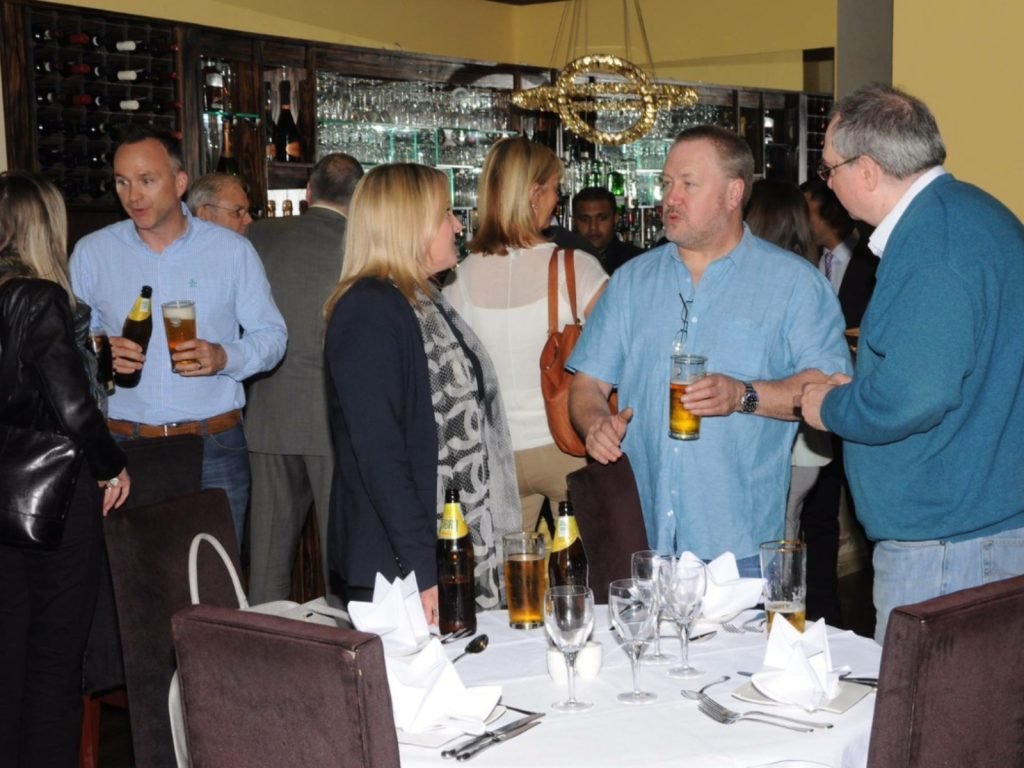
Our Curry & Co nights are relaxed monthly networking events held across Kent, London and the South East, bringing local business owners together over great food and genuine conversation. No awkward pitches, just real connections, quality curry and a friendly atmosphere.
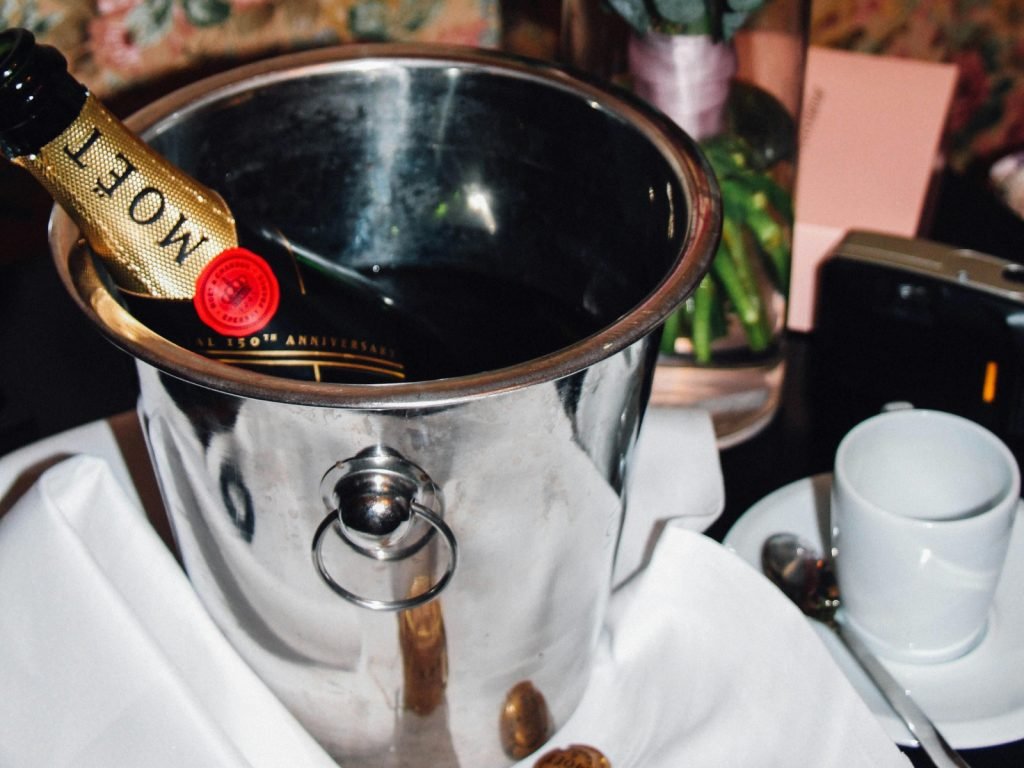
If you know a business that would benefit from better bookkeeping, simply introduce them to Cain & Co. When they join us, we’ll send you a bottle of champagne as a thank you for the referral.




















Your EPOS, card terminals, delivery apps and booking system all hold sales data, and none of it helps while it sits outside the books. We work in Xero, QuickBooks and Sage, linked to your point of sale system where it connects, with supplier invoices captured through tools like Hubdoc. Your accounting system stays yours, and every entry is visible as it is posted. That is modern hospitality accounting at bookkeeping level: fewer spreadsheets, and actionable insights from figures you already have.


A hotel has multiple revenue streams under one roof: room rates, food and bar sales, events and sometimes spa services. Each is tracked separately so you can see which part of the guest experience pays its way, alongside occupancy rates, average daily rate and revenue per available room. Larger hotels often report to the Uniform System of Accounts for the Lodging Industry.
Long stays need care too. Where one guest stays more than 28 consecutive days, VAT on the accommodation is charged on a reduced value from day 29, which is easy to miss on a manual invoice.
In hotels, restaurants and cafés alike, the same sandwich can carry two VAT rates depending on where it is eaten, and delivery orders are a common source of errors. Food and beverage sales are coded by how they are served, and delivery platform commissions are recorded as costs.
Restaurants carry their own pressures around tronc, covers and kitchen margins, covered in detail on our bookkeeping for restaurants page.
Wet and dry sales carry different margins, and beverage sales usually make up most of a pub’s takings. Tracking them apart shows gross profit on drink and food, average spend per head, and how much stock goes missing between the cellar and the till.
Pubs also saw business rates change in April 2026. The 40% retail, hospitality and leisure relief ended and lower multipliers replaced it, with an extra 15% relief for eligible pubs in 2026/27. Your bill is worth checking against those rules, and up-to-date figures show the budget impact.
Event venues and caterers take deposits months ahead and staged payments as the date approaches. Recorded as income the day they arrive, those deposits overstate profit in one month and leave the next looking empty.
Each booking is tracked separately, so profit per event is clear, and seasonal fluctuations between busy summers and slow seasons can be planned for rather than absorbed.
Paul Cain has been in finance since the early 1990s, and hospitality owners have trusted him with their books for years. Cain & Co provides hospitality bookkeeping from the UK, with ICB qualified bookkeepers who understand how tips, VAT on food and seasonal trading affect a hospitality business. When La Gaffe in Hampstead lost its bookkeeper of 30 years, we rebuilt its books on Xero, filed an imminent VAT return on time and have kept them current on an ongoing basis since. Read the La Gaffe case study.
Call us today on 020 8087 1341 or email takecontrol@cainandco.co.uk to talk through what your practice is carrying.
Paul regularly takes on personal walking challenges to raise money for children’s hospital wards, diabetes charities and other causes that matter deeply to him and the local community.
These challenges are a simple but meaningful way Paul supports his own wellbeing, pushes himself personally and gives back to the people and causes that have helped him and others in similar positions.

A hospitality bookkeeper records every financial transaction in the business and makes sure it lands in the right place. That covers daily takings, card and delivery app payouts, supplier invoices, bank reconciliations, payroll and VAT.
Hospitality adds work most sectors do not have: reconciling Z-reports against several payment channels, coding food and drink to the right VAT rate, recording tips and service charges apart from sales, and tracking stock that goes off.
The result is a set of accounting records your accountant can turn into financial statements without rework, and monthly figures you can run the business on in between. Hospitality accounting services, from year-end accounts to tax planning, all start from clean books.
Not always. A small café with one till, no staff tips and turnover below the £90,000 VAT registration threshold has fairly simple books. Good accounting software and a regular weekly slot may cover it.
Once you register for VAT, employ staff who receive tips, sell both eat-in and takeaway, or open a second site, the picture changes. Those are the areas where general bookkeeping slips, and the mistakes surface as VAT assessments or lost margin rather than obvious errors.
If you are unsure which side you sit on, call us on 020 8087 1341 and you will get a straight answer.
Hospitality bookkeeping with Cain & Co starts from just £299 per month. Where you land depends on how many transactions go through the tills, the number of sites, the size of the payroll and whether VAT returns are part of the job.
You can find lower prices. What the fee includes is the difference: bookkeepers in the UK who pick up the phone, any HMRC late filing penalty paid by us if your information reached us on time, and three months to judge the work before committing. Match the service elsewhere for less and we will match the price.
Send over a month of sales and payroll figures and the quote will reflect your business, not a bracket.
The Employment (Allocation of Tips) Act came into force on 1 October 2024 in England, Scotland and Wales. If customers tip on more than an occasional basis, you need a written tipping policy available to all workers. Tips must be allocated fairly and paid out by the end of the month after they were received.
The bookkeeping side is the record. You must keep a record of every tip and how it was allocated for three years, and each worker can ask to see it once in any three month period. An employment tribunal can award up to £5,000 for failures on the policy or the records.
Card tips and discretionary service charges are posted separately from sales each day and carried through payroll with each worker’s share, so the record builds as you trade.
It depends on whether the customer has a genuine choice. A mandatory service charge, such as one added automatically for large tables, is part of the price of the meal and is standard rated. A discretionary service charge the customer can decline, and a tip freely given, fall outside the scope of VAT.
HMRC looks at how the charge is presented. If it is added to the bill without making clear it is optional, it may be treated as mandatory.
This matters for registration too. Discretionary service charges are not part of taxable turnover, so a café close to the £90,000 threshold should not count them. Keeping service charges on their own line, separate from sales, is what proves the treatment if HMRC asks.
Anything eaten on your premises is standard rated, hot or cold. Hot takeaway food and hot drinks are standard rated. Most cold takeaway food is zero rated, apart from excepted items such as crisps, confectionery and most cold drinks.
The rules are clear on paper. The errors come from the till. In a 2022 tax tribunal case, a café had eat-in sales not registering, toasted sandwiches coded as cold food, and every Deliveroo and Uber Eats order recorded as zero rated. HMRC assessed the difference.
Your EPOS VAT settings are checked against what you sell, delivery orders are split by item type, and the zero rated share of sales is watched each quarter. A sudden rise is often the first sign of a coding problem.
Hotel rooms are standard rated. Where one individual stays more than 28 consecutive days in a hotel, inn, B&B or similar establishment, a reduced value rule applies from day 29. VAT is then charged on the non-accommodation part of the price, with a minimum of 20% of the total, giving an effective rate of 4% where the minimum applies.
The rule does not cover company block bookings used by a series of different guests for shorter stays. The stay has to be continuous for the same person.
Long-stay guests are flagged in your booking records and invoiced on the reduced value from day 29, so you neither overcharge the guest nor under-declare to HMRC.
A deposit for a room, a wedding or a Christmas party is money held for something not yet delivered. Recorded as sales the day it arrives, it inflates profit in the booking month and leaves the event month looking like a loss.
For VAT, a deposit is usually treated as an advance payment, so VAT is normally due when it is received rather than when the event takes place. That timing catches out many businesses.
Deposits are posted to a separate account and released to sales when the stay or event happens, with VAT accounted for on receipt. Your profit and loss then shows when the money was earned, and the deposit balance shows how much of the bank is already spoken for.
In most cases, yes. We work in Xero, QuickBooks and Sage, and most EPOS, delivery and booking platforms either connect to those directly or export daily sales reports that can be posted in batches.
What matters more than the connection is the set-up. Sales need mapping to the right VAT rate and revenue category, card fees need splitting out, and tips need their own line. A badly mapped integration only posts errors faster.
Tell us which EPOS, card provider and booking system you use when you get in touch, and we will check how they link to your bookkeeping before you start.
Two changes pushed costs up. The National Living Wage rose to £12.71 an hour for workers aged 21 and over from 1 April 2026, and employer National Insurance is charged at 15% on pay above £5,000 a year.
Some of that can be recovered. Eligible employers can claim the Employment Allowance, worth up to £10,500 a year off employer National Insurance. Employers also pay 0% employer National Insurance on earnings up to £50,270 for employees under 21 and qualifying apprentices under 25.
The rest is cost control. Wages reported as a percentage of sales, by week and by site, show which shifts earn their cost. Payroll checked against rotas makes overtime visible, and the figures are ready when you plan the next rota.
Yes. We work with single sites and with hospitality companies running several locations. Each site gets its own tracking in your accounting software, so takings, wages and stock costs are reported per site as well as for the business overall.
Consistency is the main issue with more than one site. If each venue codes costs differently, comparing them tells you nothing. A shared chart of accounts across every location means a pound of wages in one venue is reported the same way as in the next.
Central costs are kept separate and shared across sites, so you can see which venues carry the group and which need attention.
Most hospitality businesses earn a large share of the year’s income in a few busy months. Rent, loan repayments, core staff wages and quarterly VAT keep going out in January and February regardless.
Cash flow management starts with a forecast built from last year’s takings by month, known supplier costs, payroll and tax dates. It shows the gap months ahead, so you can build cash reserves in summer, set seasonal budgets and time large purchases for when the cash is there.
Reviewed monthly, the forecast helps you optimise cash flow through the off season and supports strategic planning for the year ahead. Ask for one alongside your monthly figures.
Most problems in the hospitality industry show up in a handful of critical metrics long before they reach the year-end accounts. Checked daily or weekly, key performance indicators give you time to act while the week can still be saved.
The core list is short: sales against the same week last year, wage cost as a percentage of sales, food and drink cost percentages, and cash in the bank against bills due in the next fortnight. Hotels add occupancy rates and room rates. Hotels, restaurants and bars with more than one outlet should see each outlet on its own line. Inventory costs need extra attention where perishable inventory is involved, as waste shows up as a margin problem before it shows up anywhere else.
None of this works unless bank accounts are reconciled weekly. With high transaction volumes, a month-end check finds errors too late. Weekly financial reporting from your accounting system turns expenses and takings into informed decisions on rotas, ordering and pricing, which is how you control costs rather than react to them. It also gives an honest read of your financial health each week. Tell us which figures matter most to you and we will set those up first.
More than most owners expect, because the hospitality industry sits under several sets of rules at once. Tax laws and employment law each set minimum periods, and the records need to show HMRC how every figure was reached.
Limited companies keep their records for six years from the end of the financial year, and sole traders for at least five years after the 31 January filing deadline. VAT records, including till reports and supplier invoices, sit alongside them. Tip allocation records under the Tipping Act must be kept for three years.
Keeping it manageable comes down to standard accounting practice done consistently.
Supplier invoices captured digitally and coded automatically cut manual data entry errors, and stock and supplier records linked to your accounting software mean less to rekey. Good records ensure compliance when HMRC asks a question, and give your accountant what they need for tax planning and hospitality accounting at year-end.
Records feed cash flow too. Cash flow management built on accurate figures prevents liquidity issues in the off season, because you can see what is due and when. Knowing the bills before they land is the simplest way to improve cash flow. Send us your current filing setup and we will tell you what is missing.
Yes, for most hospitality businesses in England. The 40% retail, hospitality and leisure relief ended on 31 March 2026. Qualifying properties with a rateable value under £500,000 are now billed using two lower multipliers instead, and a revaluation took effect on 1 April 2026.
Eligible pubs and live music venues in England get an extra 15% relief for 2026/27. Some businesses losing relief have their increase capped at the higher of £800 or the relevant transitional relief cap.
Business rates are set by your council, not by us, but they belong in your budget. Check your 2026/27 bill applies the hospitality multiplier and any relief you are due, and the right cost is built into your monthly figures from April.
You can switch at any point in the year. We need access to your accounting software or bank statements, your last VAT return, payroll details, EPOS sales reports and any supplier invoices not yet recorded. If tips go through payroll, send your tipping policy too.
If the books are behind, they are brought up to date first and then kept current. La Gaffe came to us with 30 years of paper records and a VAT return due, so there is no standard you need to meet before starting.
After the first month, the routine is sales reports and invoices sent as they come in, and the occasional question answered when we flag something.
No. Restaurants are one of the most common hospitality businesses we work with, and they have their own page on bookkeeping for restaurants. The same approach covers the wider hospitality sector: hotels, B&Bs and guest houses, pubs and bars, cafés and coffee shops, takeaways, caterers and event venues.
The bookkeeping changes with the business. A hotel needs room revenue and long-stay VAT handled. A pub needs wet and dry sales tracked apart. A caterer needs deposits recorded properly. All of them need tips, payroll and VAT right.
Tell us what you run and how many sites, and we will explain how the bookkeeping would work for your business.